Afghan Living Style: A Journey Through Tradition and Resilience
The lifestyle of Afghans reflects a deep connection between culture, tradition, and nature. Across the country’s mountains, deserts, and fertile valleys, Afghan people live with strong values of hospitality, family, and faith. In rural areas, villagers rise with the sun to work in their fields, growing wheat, fruits, and vegetables that sustain their simple but peaceful lives. In the cities, people experience a blend of modern and traditional living—young students attend universities, while markets bustle with trade and social interaction. Among the nomadic Kochis, life remains free and mobile as they move seasonally with their herds across the vast landscapes of the country. Despite years of hardship, Afghans remain known for their courage, generosity, and ability to smile even in difficult times. Whether in a mountain village, a busy city street, or a quiet desert plain, the Afghan lifestyle is a living story of resilience, respect, and unity—where old traditions continue to shape a proud and hopeful nation.
Urban Life
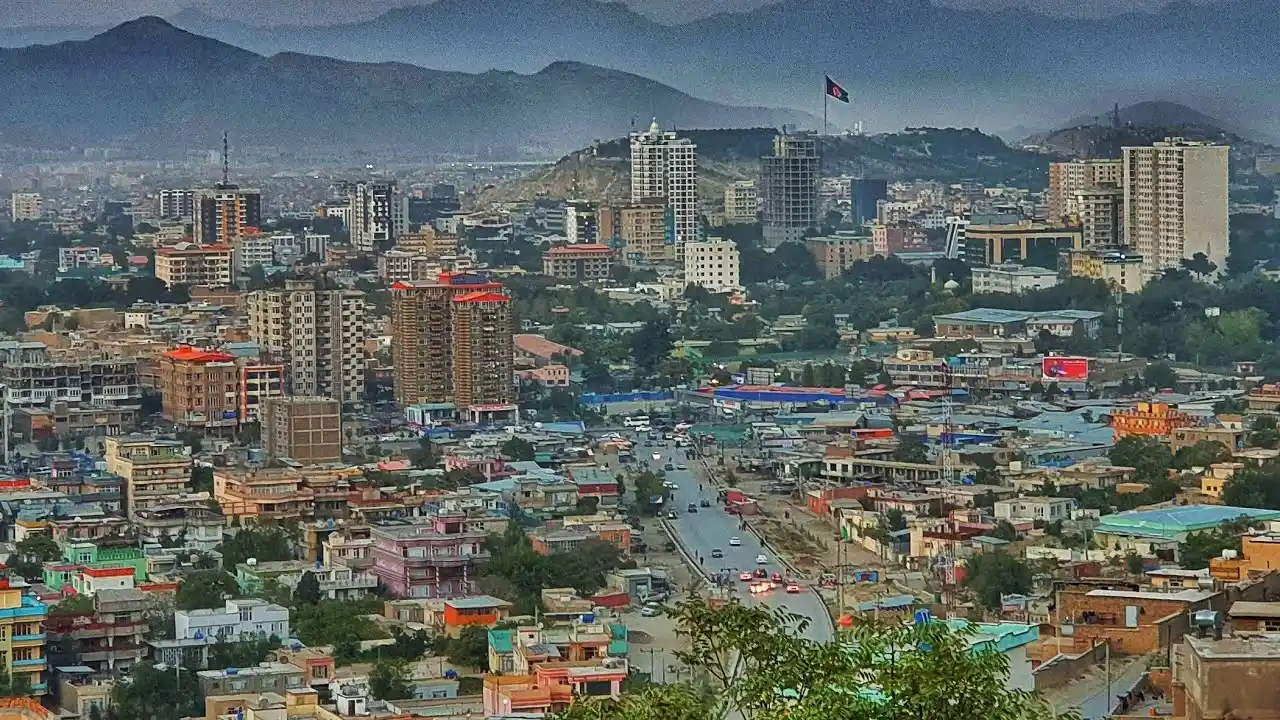
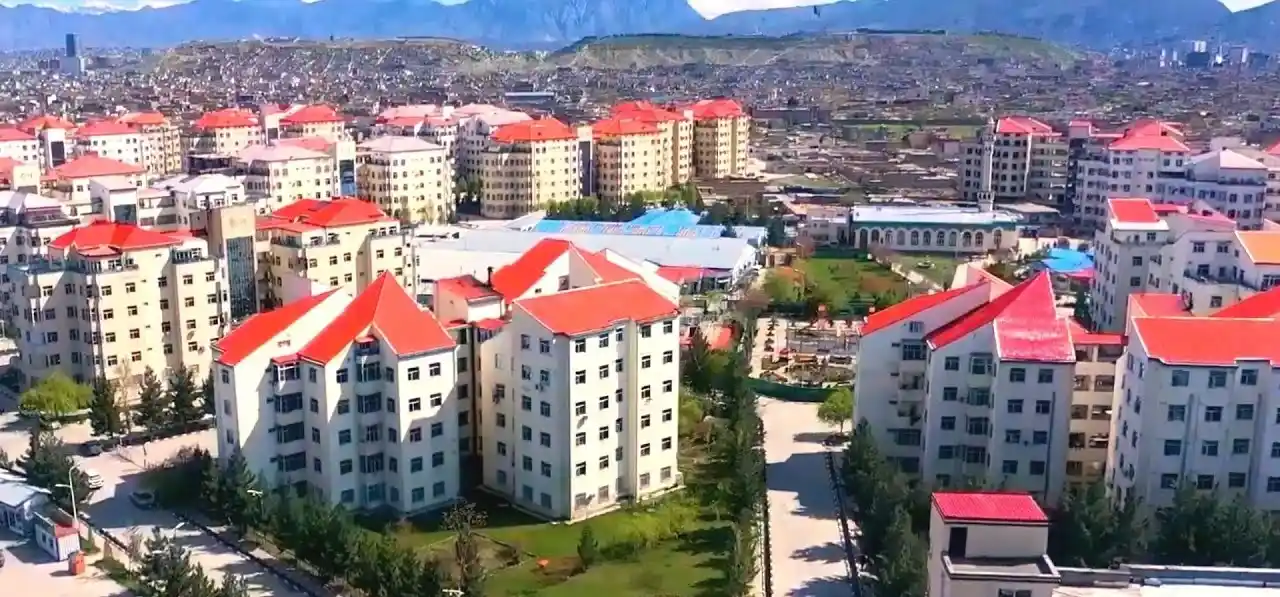
In major cities like Kabul, Jalalabad, Herat, Mazar-i-Sharif, and Kandahar, people lead a more modern lifestyle. Cities are centers of education, work, trade, and technology. Young people attend schools and universities, women participate in social and business activities, and public facilities such as electricity, hospitals, and transportation are more developed.
Rural Life
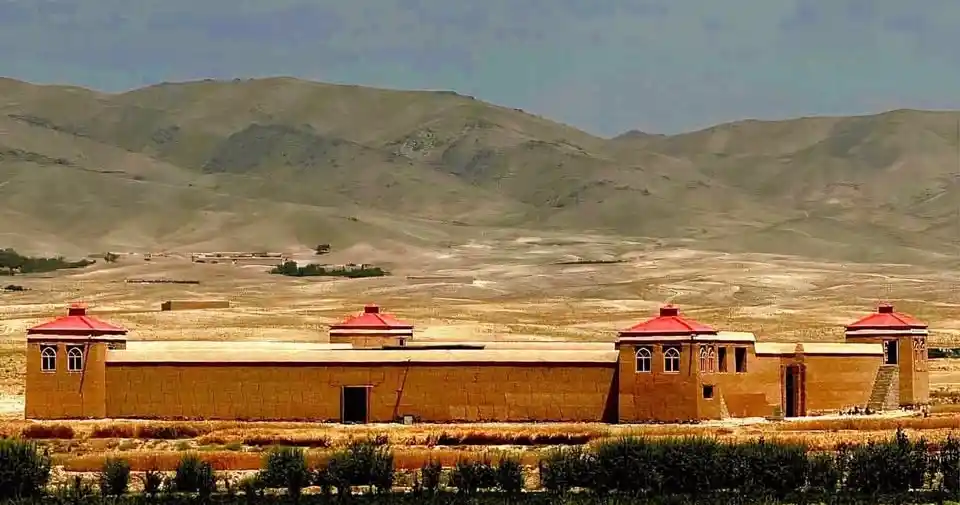
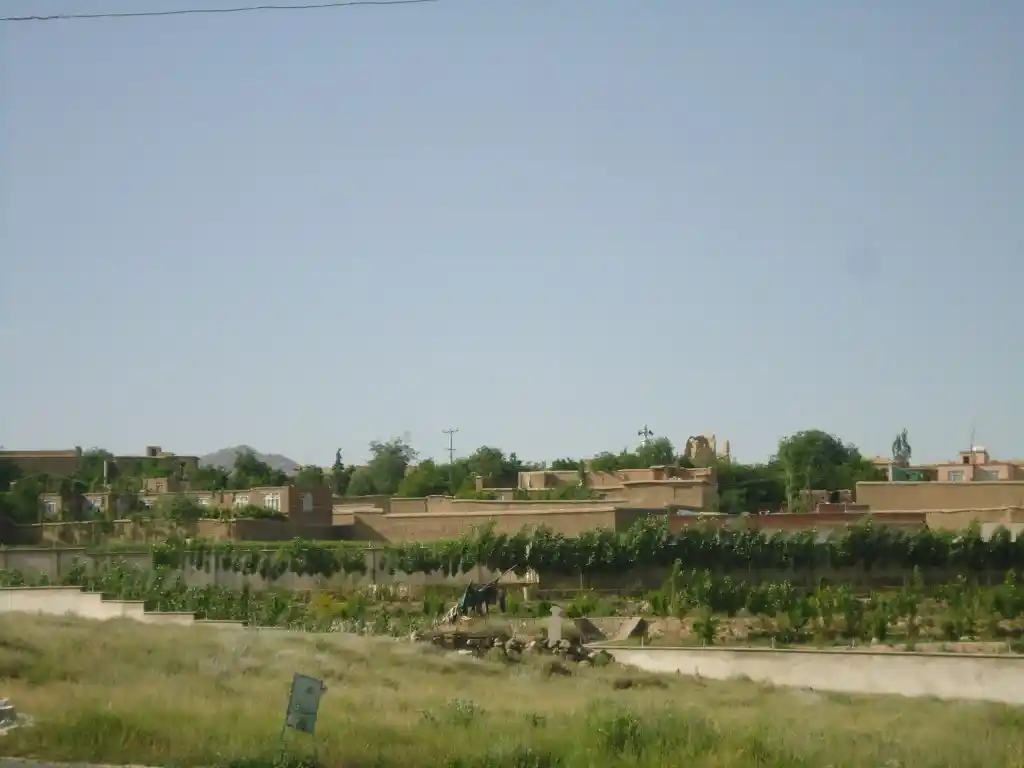
Rural communities make up the majority of Afghanistan’s population. Villagers are engaged in farming, livestock herding, and gardening. Life in rural areas is simple yet full of love, unity, and tradition. People grow crops such as wheat, corn, fruits, and vegetables to sustain their families. Cooperation, hospitality, and helping one another are core values in Afghan village life.
Nomadic Life
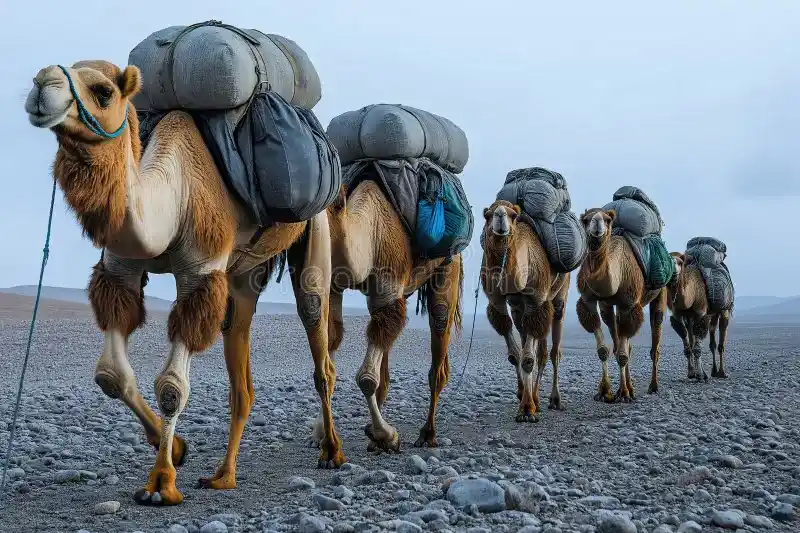
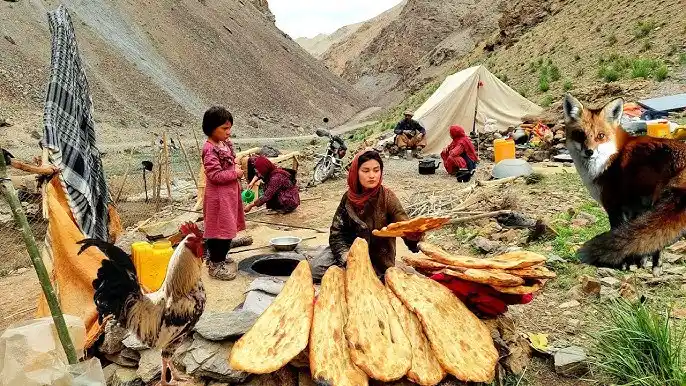
The nomads, known as Kochis, are an important part of Afghanistan’s ancient culture. They travel from one place to another with their animals in search of pasture, water, and better weather. Their tents are made from simple materials, and their lifestyle is free, natural, and deeply connected to the environment. The Kochis mainly come from Pashtun, Hazara, and Baloch tribes and migrate to mountain valleys during spring and summer.
Mountain Life
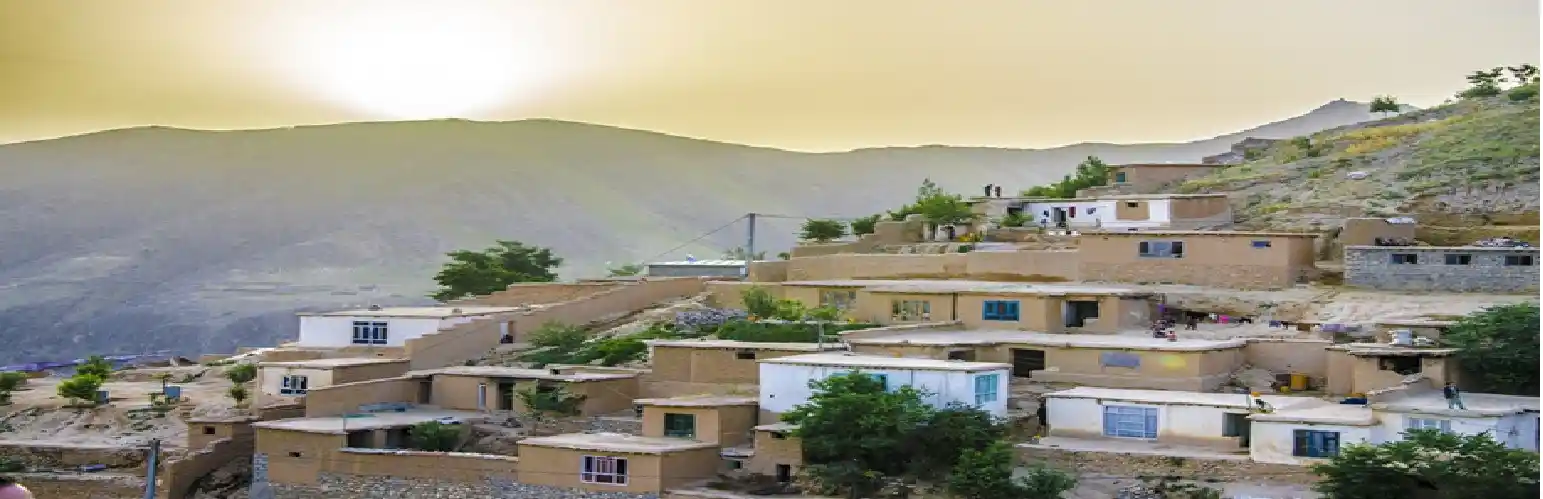
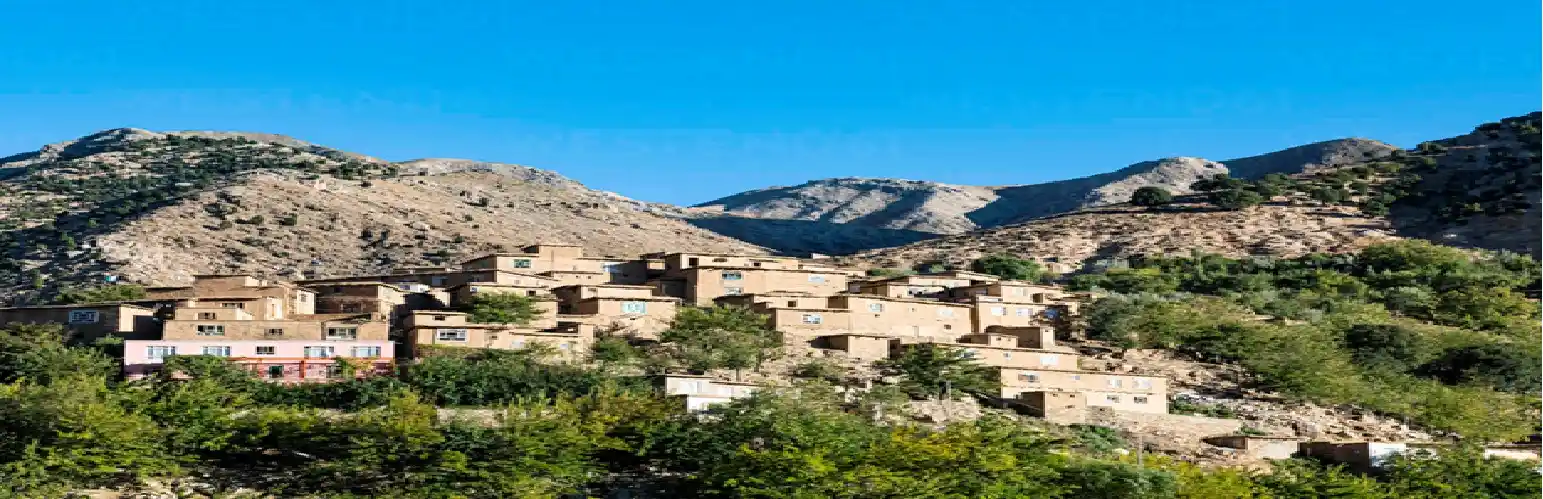
In mountainous regions such as Bamyan, Nuristan, Badakhshan, Nangarhar, Kunar, Paktia, Panjshir and etc... people live among the rugged peaks and valleys. Their houses are built from stone and mud, designed to withstand the cold climate. Mountain dwellers are brave, hardworking, and live close to nature. They depend on livestock, fruit orchards, and small-scale farming for their livelihood.