


Saffron in Afghanistan
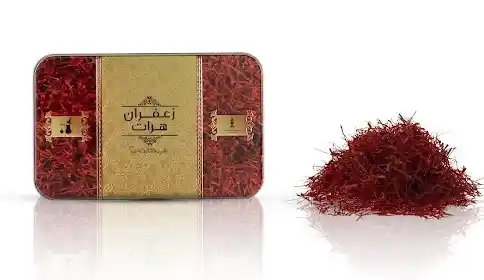
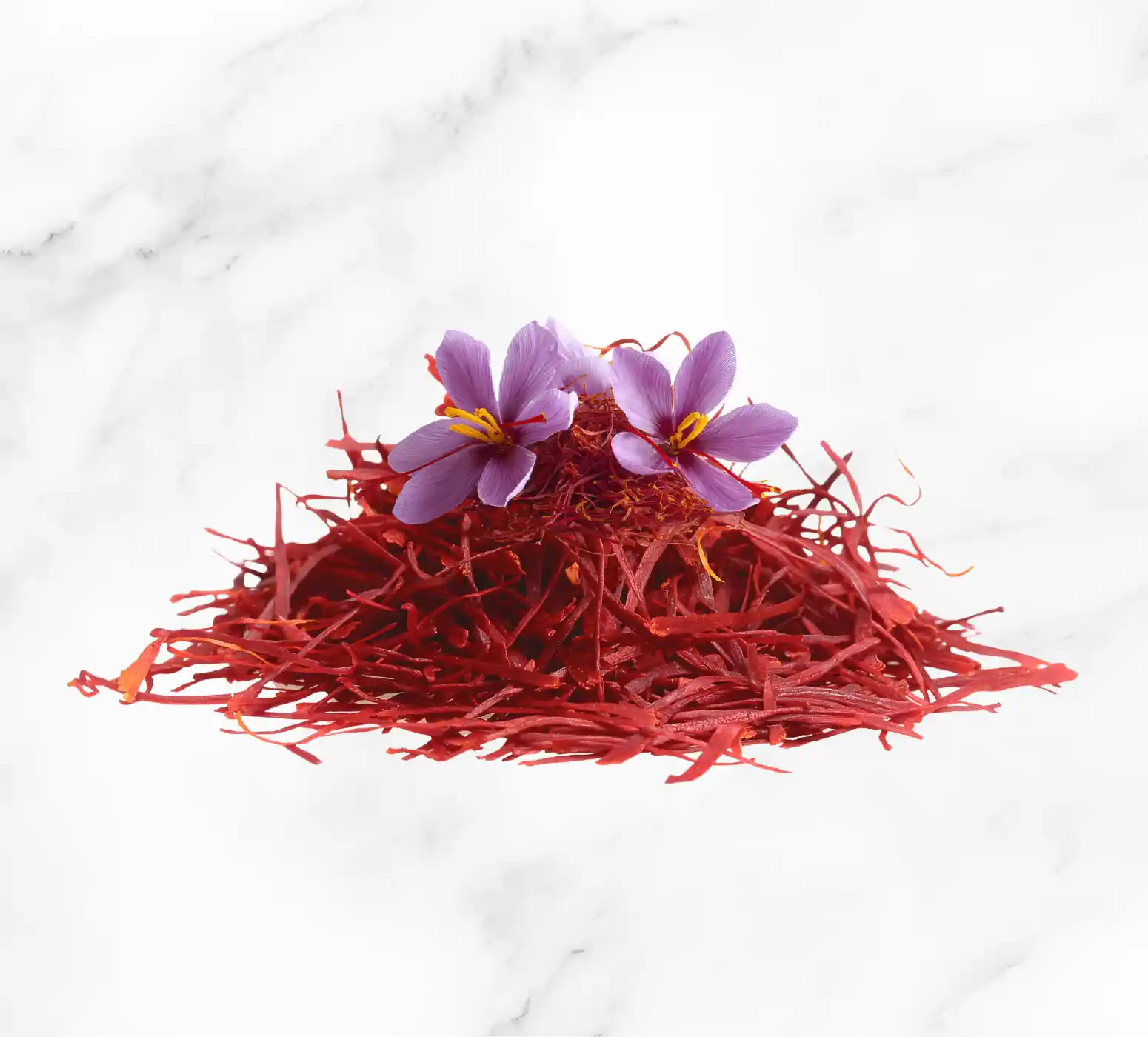
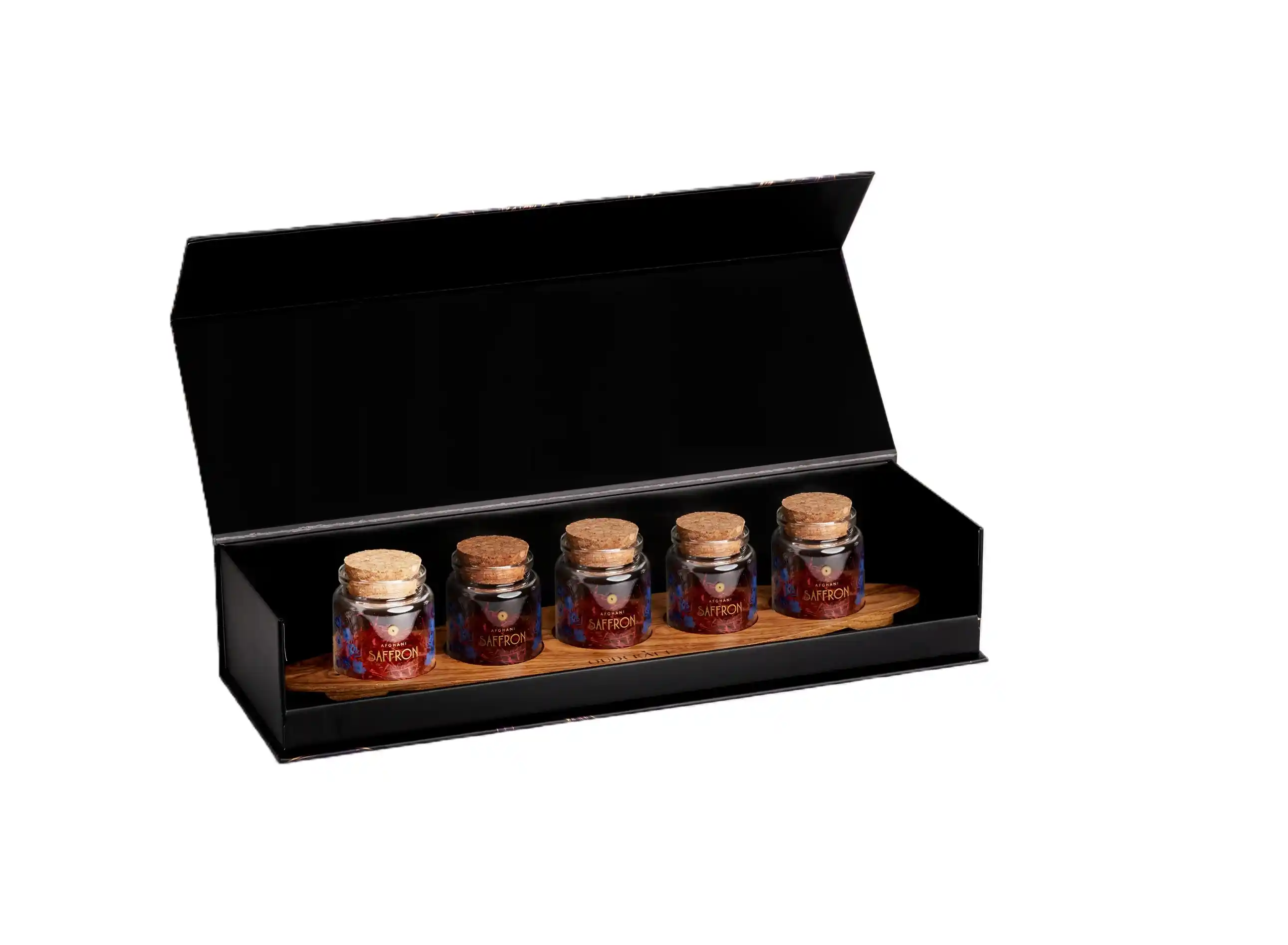
Afghanistan is an agricultural country with a long history of farming. Alongside other agricultural products, saffron also has a long-standing presence in the country. In addition to its historical background, saffron cultivation in Afghanistan officially began in 1991, while efforts to encourage and support farmers in saffron cultivation started in 1998. The history of saffron cultivation in the country dates back nearly two thousand years, and Afghanistan is considered among the countries regarded as a source of saffron.
Economic Benefits of Saffron
Saffron production in Afghanistan, also referred to as the country’s
“red gold,” has increased significantly over the past few years.
Saffron can serve as a driver of economic and social development in
the country and is considered an alternative crop to poppy cultivation.
Moreover, saffron farming requires very little water, which is one
of the major advantages of cultivating saffron in Afghanistan.
Unlike many agricultural products that require large areas of land,
saffron cultivation can produce high value in smaller spaces, allowing
millions of farmers across the country to engage in saffron farming.
In addition, saffron farming provides employment opportunities for
a large number of people. On average, about 270 people per hectare
are involved annually in saffron cultivation, maintenance, and harvesting.
The global demand for saffron continues to increase, and economists
predict that the international market for this crop will continue
to expand rapidly, making saffron an important strategic product
in global trade.
Despite challenges such as war and natural disasters faced by Afghan
farmers over the past decades, the saffron industry remains highly
promising. Saffron cultivation can become a source of hope for a
prosperous future by helping farmers achieve self-reliance, supporting
economic growth, and benefiting rural communities across Afghanistan.
The government has also increased its focus on agriculture by improving
trade and transit routes, constructing dams, supporting exports,
and encouraging investment in processing and packaging centers that
meet international standards.
Saffron, among Afghanistan’s important agricultural products, has
received special attention. According to the Herat Department of
Agriculture, Irrigation, and Livestock, saffron cultivation has
expanded in recent years due to high market prices and growing export
opportunities.
Reports indicate that one kilogram of saffron in domestic markets
can reach prices of up to 100,000 Afghanis. International demand
for Afghan saffron has also increased significantly.
Information from the Herat Department of Agriculture shows that
saffron has been cultivated on approximately ten thousand hectares
of land in the province. If this level of growth continues across
the country, saffron will undoubtedly play a major role in strengthening
Afghanistan’s national economy.